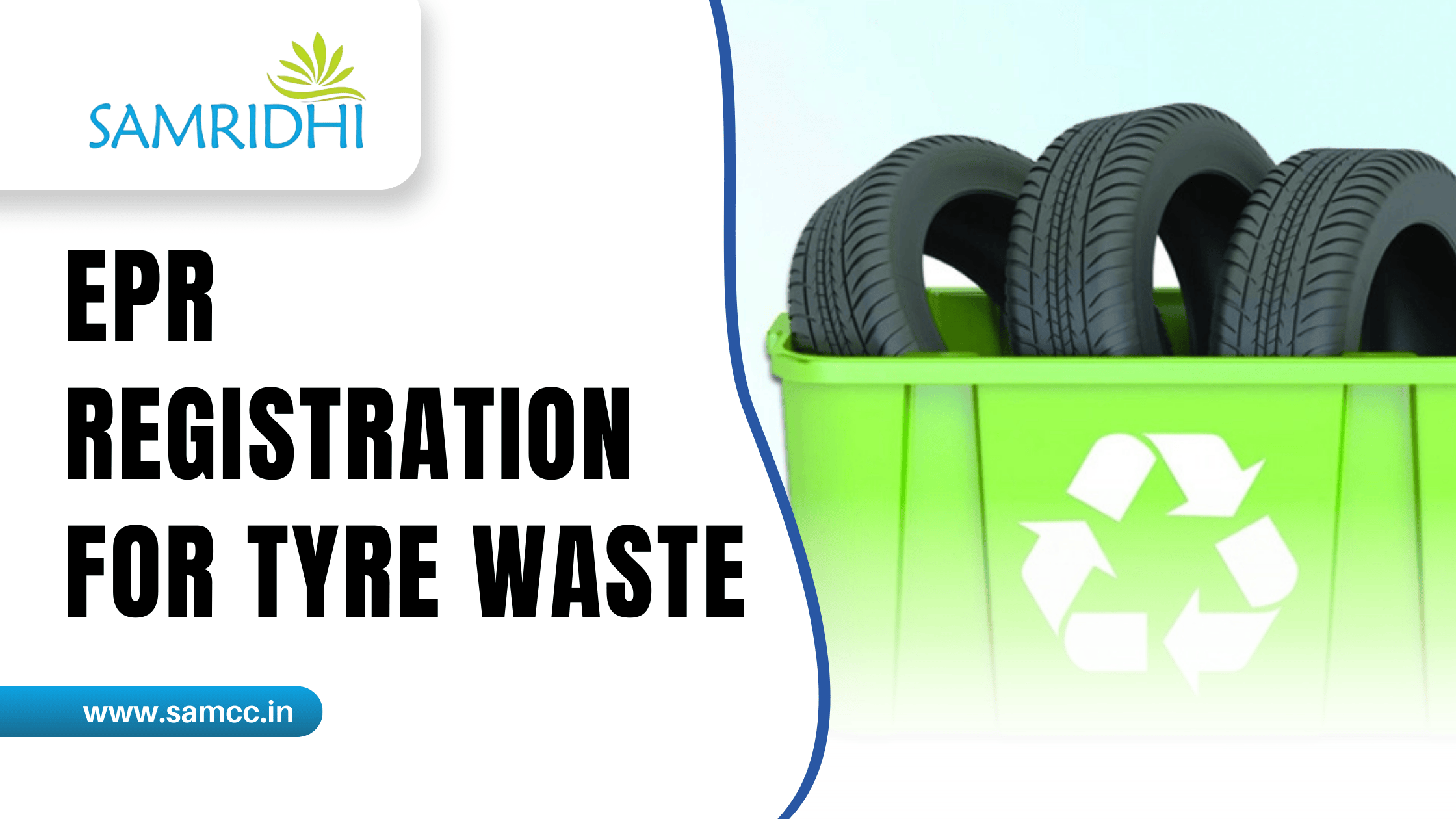
BIS Certification for Steel and Tyres - Mandatory compliance for manufacturers and importers to meet safety and quality standards
BIS Certification for Steel and Tyres ensures that steel and tyre products meet Indian quality, safety, and regulatory standards before manufacturing, import, or sale. The process involves product testing, documentation, application submission, and approval under defined standards. Compliance helps businesses operate legally, avoid penalties, and gain market trust. Whether you are a manufacturer, importer, MSME, or foreign supplier, professional guidance can make certification faster and more reliable. For expert assistance, call +91 8799708673.
 Get Certified with Confidence – Your One-Stop Compliance Partner
From BIS, WPC, TEC, BEE, EPR, LMPC, CDSCO, FSSAI, ISO, MSME to PESO, NABL testing, Startup India, Make in India, and Lab Setup, we handle all your regulatory approvals, certifications, and documentation needs with precision and speed. Partner with Samridhi Compliance Certification and simplify your journey to full compliance—so you can focus on growing your business.
BIS Certification for Steel and Tyres: Regulatory Foundation and Compliance Landscape in India
Introduction to BIS Certification for Steel and Tyres 📄⚖️🏭
BIS Certification for Steel and Tyres is a mandatory quality and safety approval issued by the Bureau of Indian Standards (BIS) for specific steel products and automotive tyres sold, imported, or manufactured in India. In simple terms, this certification ensures that steel and tyres available in the Indian market meet defined Indian Standards for strength, safety, durability, and performance. These products are critical to infrastructure, transportation, and industrial safety, which is why the Indian government strictly regulates them.
Under various Quality Control Orders (QCOs), BIS certification is compulsory for a wide range of steel items and tyres. Without this approval, products cannot be legally manufactured, imported, or distributed in India. BIS Certification for Steel and Tyres is not just a formality; it is a legal requirement that protects consumers, infrastructure projects, and industrial users from substandard or unsafe materials.
Why BIS Certification for Steel and Tyres Is Mandatory in India
India has one of the largest construction, automotive, and manufacturing markets in the world. Steel is the backbone of infrastructure, while tyres are essential safety components in vehicles. Poor-quality steel can lead to structural failures, and non-compliant tyres can cause accidents and loss of life. To prevent such risks, the government enforces BIS Certification for Steel and Tyres through mandatory regulations.
For steel products, BIS certification for steel imports is strictly monitored at ports to prevent low-grade or uncertified material from entering the country. Similarly, tyres must comply with BIS standards before being sold in the Indian market. The bis certificate for tyres confirms that tyres meet performance and endurance benchmarks set by Indian standards.
Failure to comply can result in rejected shipments, seized goods, heavy penalties, and even long-term bans on market access. This makes BIS certification for tyres and steel not optional but essential for legal operations.
Who Needs BIS Certification for Steel and Tyres?
Manufacturers
Domestic manufacturers producing steel products or tyres must obtain BIS approval before starting commercial production. BIS audits manufacturing facilities, tests product samples, and ensures continuous compliance through surveillance. Without BIS registration, manufacturers cannot legally sell their products in India.
Importers and Exporters
Importers dealing with steel and tyres must ensure that every regulated product has valid BIS certification. BIS certification for steel imports and tyres is checked during customs clearance. Even if products are manufactured abroad, BIS approval is required before import.
MSMEs and Startups
Small and medium enterprises, including startups entering the steel or tyre segment, are equally bound by compliance laws. BIS registration helps MSMEs build credibility, participate in government tenders, and access organized markets while avoiding regulatory risks.
Foreign Manufacturers
Foreign manufacturers supplying steel or tyres to India must follow BIS requirements through applicable certification schemes. BIS certification for steel and tyres ensures that imported products meet the same safety and quality benchmarks as domestically manufactured goods.
India as a Highly Regulated Manufacturing and Import Market
India follows a compliance-driven regulatory model, especially for products that impact public safety, infrastructure, and the environment. Steel and tyres fall squarely into this category. Regulatory bodies such as BIS, CPCB, MeitY, and sectoral ministries work together to enforce quality control across manufacturing and imports.
The government has expanded mandatory certification lists over the years to reduce dependency on substandard imports and improve product quality. The bis certificate for import of steel is now a critical checkpoint for international trade, ensuring only compliant material enters Indian supply chains.
This regulated environment protects consumers and industries but also demands that businesses stay fully compliant at all times.
Importance of Compliance for Manufacturing Approvals
For manufacturers, BIS certification is closely linked to factory approvals and production permissions. BIS inspectors verify raw materials, production processes, testing infrastructure, and quality control systems. The bis certification process is designed to ensure consistency, not just one-time approval.
Compliance also improves manufacturing efficiency by enforcing standardized processes. Over time, BIS-certified manufacturers gain better acceptance from large buyers, government projects, and infrastructure developers.
Importance of Compliance for Imports and Market Access
For importers, BIS compliance is a gatekeeper to the Indian market. Customs authorities verify BIS registration numbers, product markings, and documentation during clearance. Without valid approval, shipments are delayed or rejected outright.
BIS certification for steel and tyres also helps businesses avoid reputational damage. Importers dealing in compliant products are seen as reliable partners by distributors, OEMs, and government agencies. This is especially important in competitive sectors like construction steel and automotive tyres.
Role of BIS and Other Regulatory Authorities
The Bureau of Indian Standards is the primary authority responsible for setting standards, granting licenses, and monitoring compliance. However, other regulators play contextual roles depending on product usage:
-
CPCB oversees environmental aspects, especially in manufacturing processes
-
MeitY and DoT are relevant when products intersect with electronics or telecom infrastructure
-
TEC may apply where steel or tyre products are used in telecom-related installations
Together, these authorities ensure that BIS certification for steel and tyres aligns with broader safety, environmental, and industrial policies.
Understanding the BIS Approval and Certification Process
The bis approval process for steel and tyres involves application submission, product testing in BIS-recognized laboratories, factory audits, and final license issuance. Costs vary depending on product type, testing requirements, and inspection scope, which is why businesses often evaluate the bis certification cost before planning market entry.
Once approved, companies must maintain ongoing compliance through periodic audits and renewals. Any change in product design, raw material, or manufacturing location must be reported to BIS.
Why BIS Certification Builds Long-Term Business Value
Beyond legal compliance, BIS certification builds long-term trust. Buyers prefer BIS-certified steel and tyres because certification assures durability, safety, and performance. BIS registration also strengthens brand reputation and supports expansion into regulated supply chains.
Working with experienced bis consultants helps businesses navigate documentation, testing, and audits smoothly. Proper guidance reduces delays, errors, and rejections, making the certification journey more efficient.
Compliance as a Foundation for Sustainable Growth
BIS Certification for Steel and Tyres is a foundational requirement for operating in India’s regulated industrial ecosystem. It protects consumers, strengthens infrastructure safety, and ensures fair competition. For manufacturers, importers, MSMEs, and foreign suppliers, compliance is not a barrier but a gateway to sustainable growth, legal security, and market credibility.
By understanding the regulatory landscape and aligning with BIS standards from the start, businesses can confidently manufacture, import, and sell steel and tyre products in India without regulatory risks.
Get Certified with Confidence – Your One-Stop Compliance Partner
From BIS, WPC, TEC, BEE, EPR, LMPC, CDSCO, FSSAI, ISO, MSME to PESO, NABL testing, Startup India, Make in India, and Lab Setup, we handle all your regulatory approvals, certifications, and documentation needs with precision and speed. Partner with Samridhi Compliance Certification and simplify your journey to full compliance—so you can focus on growing your business.
Business Impact and Industrial Ecosystem of BIS Certification for Steel and Tyres in India 🏭📦📡
Understanding the Business Importance of BIS Certification for Steel and Tyres
BIS Certification for Steel and Tyres plays a central role in India’s industrial, infrastructure, and automotive ecosystem. Steel and tyres are not consumer luxury items; they are core industrial inputs that directly affect public safety, national infrastructure, logistics, and manufacturing reliability. Because of this, regulatory approval is unavoidable for any business operating in these sectors.
India’s fast-growing economy, large-scale infrastructure projects, and expanding automotive market have significantly increased demand for quality-controlled steel and tyres. To manage this growth responsibly, the government has made BIS certification a mandatory compliance requirement, not just a quality label. Businesses that ignore this requirement face operational disruptions, blocked imports, and loss of market access.
Impact of BIS Certification on Manufacturing Units
Manufacturing units are the most directly affected by BIS Certification for Steel and Tyres. Steel manufacturers supplying structural steel, alloy steel, or specialized industrial steel must comply with BIS standards before commercial production. Similarly, tyre manufacturers producing automotive, industrial, or specialty tyres must obtain BIS approval to operate legally.
For manufacturers, BIS certification influences:
-
Factory setup and quality control systems
-
Raw material sourcing and testing protocols
-
Production consistency and traceability
-
Eligibility for large infrastructure and OEM contracts
The bis certification process involves factory inspections, sample testing, and ongoing surveillance. This forces manufacturers to align operations with national benchmarks, improving long-term product reliability. While the bis certification cost may seem like an upfront burden, it often results in better operational discipline and higher acceptance in regulated supply chains.
Manufacturers located in industrial clusters face higher scrutiny because these regions handle bulk production volumes that directly impact national projects.
Impact on Importers and Exporters
For importers and exporters, compliance is non-negotiable. BIS certification for steel imports is strictly enforced at Indian ports to prevent the entry of substandard or unsafe material. Importers must ensure that steel products have a valid bis certificate for import of steel before shipment even reaches India.
Tyres are treated similarly. A valid bis certificate for tyres is required before tyres can be cleared through customs or distributed domestically. Importers dealing in automotive or industrial tyres must ensure compliance at the product and documentation level.
Exporters also benefit indirectly. Indian manufacturers with BIS certification gain higher credibility in global markets, as BIS standards are often aligned with international quality norms.
Role of BIS Certification in Electronics and IT-Linked Industries
At first glance, electronics and IT companies may seem unrelated to steel and tyres. However, modern electronics manufacturing and IT infrastructure heavily depend on steel components and specialized tyres used in logistics, data centers, telecom towers, and industrial equipment.
Steel used in server racks, telecom infrastructure, industrial enclosures, and power systems must meet strict safety standards. Tyres are critical in logistics fleets that support electronics manufacturing and distribution. Because of this interconnected ecosystem, BIS Certification for Steel and Tyres indirectly affects electronics and IT companies by ensuring supply chain safety and operational reliability.
In sectors where electronics overlap with heavy engineering or telecom infrastructure, compliance expectations are even higher due to involvement of multiple regulators.
Impact on Startups and MSMEs
Startups and MSMEs entering steel processing, tyre trading, or related supply chains often underestimate regulatory complexity. However, BIS registration applies equally to small businesses and large corporations.
For MSMEs, bis registration provides:
-
Legal permission to operate in regulated markets
-
Eligibility to supply to government and PSU projects
-
Improved trust among distributors and institutional buyers
Many startups initially view certification as costly or time-consuming. In reality, early compliance helps avoid expensive disruptions later. With proper planning and guidance from experienced bis consultants, MSMEs can integrate certification into their growth strategy rather than treating it as a last-minute hurdle.
Foreign Manufacturers Entering the Indian Market
Foreign manufacturers supplying steel or tyres to India must comply with Indian standards, regardless of approvals obtained in other countries. BIS Certification for Steel and Tyres ensures that imported products meet Indian safety, performance, and durability requirements.
Foreign companies often face challenges related to documentation, factory audits, and testing coordination. The bis approval process can be complex for overseas entities, especially when products are manufactured in multiple locations.
Compliance is unavoidable because customs authorities will not allow non-certified steel or tyres to enter Indian markets. For foreign manufacturers, BIS certification becomes the first step toward sustainable market entry rather than a procedural formality.
Why Regulatory Approval Is Unavoidable
Steel and tyres are classified as high-risk products due to their impact on public safety, infrastructure stability, and transportation systems. Regulatory approval is unavoidable because:
-
Structural steel failures can cause large-scale accidents
-
Substandard tyres increase road accident risks
-
Poor-quality imports damage domestic industry and consumers
The government has strengthened enforcement through Quality Control Orders, making BIS compliance mandatory across multiple product categories. Non-compliance leads to shipment rejection, penalties, and reputational damage.
Industrial Hubs and High-Compliance Zones
Certain industrial and logistics hubs face higher compliance demand due to volume, scale, and strategic importance. These include:
-
Large steel manufacturing clusters supplying construction and infrastructure projects
-
Automotive and tyre manufacturing zones supporting OEMs and export markets
-
Major ports handling steel imports and tyre consignments
-
SEZs and industrial corridors focused on export-oriented manufacturing
These locations are closely monitored because non-compliant products from such hubs can affect nationwide supply chains. Import-heavy zones face strict checks for bis certification for steel imports, while manufacturing clusters are subject to frequent inspections.
Higher compliance demand in these areas is driven by risk management, not geography alone.
Business Benefits of Aligning with the Certification Ecosystem
Businesses that integrate BIS compliance into their operations gain long-term advantages:
-
Reduced risk of regulatory disruptions
-
Faster customs clearance and smoother logistics
-
Stronger credibility with OEMs, government buyers, and large contractors
-
Better alignment with national infrastructure and automotive programs
Although businesses often evaluate bis certification cost at the beginning, the long-term cost of non-compliance is far higher. Delayed shipments, seized goods, and market bans can cripple operations.
The Role of Professional Guidance in a Complex Ecosystem
Navigating the industrial ecosystem around BIS Certification for Steel and Tyres requires deep regulatory understanding. Documentation accuracy, testing coordination, and audit readiness are critical at every stage.
Experienced bis consultants help businesses interpret evolving regulations, prepare correct applications, and manage interactions with authorities. This support is especially valuable for importers, MSMEs, and foreign manufacturers unfamiliar with India’s compliance framework.
Certification as a Business Enabler, Not a Barrier
BIS Certification for Steel and Tyres is deeply embedded in India’s business and industrial ecosystem. It affects manufacturers, importers, MSMEs, foreign suppliers, and even allied sectors like electronics and logistics. Regulatory approval is unavoidable because it safeguards public safety and industrial integrity.
Businesses that treat compliance as a strategic requirement rather than an obstacle are better positioned for stable growth, uninterrupted operations, and long-term market access in India’s regulated economy.
Advantages, Risks, and Future Scope of BIS Certification for Steel and Tyres ⚖️📈⚠️
Why BIS Certification for Steel and Tyres Matters in the Long Run
BIS Certification for Steel and Tyres is not just a regulatory checkbox; it is a long-term business safeguard. Steel and tyres directly influence public safety, infrastructure strength, and transportation reliability. Because of this high-impact nature, Indian regulators treat these products as critical, making compliance a strategic necessity rather than an optional formality.
For businesses, understanding the advantages of compliance and the risks of non-compliance is essential before entering or expanding in the Indian market. As enforcement becomes stricter, certification increasingly defines whether a business can operate smoothly or face repeated disruptions.
Advantages of BIS Certification for Steel and Tyres
1. Legal Authorization to Operate in India
The most immediate advantage of BIS Certification for Steel and Tyres is legal permission to manufacture, import, sell, or distribute regulated products in India. Without approval, steel and tyre products cannot be placed on the Indian market, regardless of demand or pricing.
Compliance ensures that businesses meet statutory requirements under applicable Quality Control Orders and product standards, protecting them from legal notices and operational shutdowns.
2. Stronger Market Trust and Business Credibility
Certified products carry higher trust among buyers, government agencies, OEMs, and infrastructure developers. When a business follows the bis certification process, it demonstrates commitment to safety, quality, and consistency.
For large projects involving construction steel or automotive tyres, buyers often refuse to engage with non-certified suppliers. BIS certification becomes a credibility marker that directly influences procurement decisions.
3. Smoother Imports and Faster Customs Clearance
For importers, bis certification for steel imports is critical. Products without approval are frequently held, rejected, or sent back at ports. A valid bis certificate for import of steel ensures smoother customs clearance and predictable logistics planning.
Similarly, importers of tyres benefit from holding a valid bis certificate for tyres, reducing delays and unexpected costs linked to port inspections or compliance objections.
4. Reduced Long-Term Business Risk
Although businesses often focus on bis certification cost, compliance significantly reduces long-term operational risks. Certified businesses face fewer disruptions, inspections, and enforcement actions, allowing them to focus on production and expansion rather than crisis management.
Over time, the cost of compliance is far lower than the cumulative losses caused by rejected consignments, legal penalties, or halted production.
5. Competitive Advantage for MSMEs and Startups
For MSMEs and startups, bis registration levels the playing field. Certified small businesses gain access to regulated markets that are otherwise dominated by large players.
Certification enables MSMEs to:
-
Supply to government and PSU projects
-
Enter institutional and B2B supply chains
-
Build long-term contracts with OEMs
With guidance from experienced bis consultants, smaller businesses can integrate compliance early and avoid costly rework later.
6. Market Entry Support for Foreign Manufacturers
Foreign manufacturers supplying steel or tyres to India must follow the bis approval process to access the market. Certification removes regulatory uncertainty and provides clarity on product acceptance.
Once certified, foreign suppliers gain stable access to India’s large infrastructure and automotive markets, rather than facing shipment-by-shipment uncertainty.
Risks and Disadvantages of Non-Compliance
1. Import Rejections and Shipment Seizures
One of the most immediate risks of non-compliance is shipment rejection. Steel imports without proper approval are frequently blocked, even if demand exists. The absence of bis certification for steel imports or a valid bis certificate for import of steel can result in consignments being detained or returned.
Tyres without certification face similar treatment, disrupting supply chains and damaging importer credibility.
2. Legal Penalties and Regulatory Action
Operating without BIS Certification for Steel and Tyres exposes businesses to penalties, notices, and possible prosecution under applicable laws. Authorities have increased inspections and enforcement, especially for high-risk products like steel and tyres.
Repeated violations can lead to blacklisting, cancellation of licenses, and long-term reputational damage.
3. Loss of Business Opportunities
Non-certified businesses are often excluded from:
Even private buyers increasingly demand proof of compliance. Without certification, businesses struggle to scale or enter premium segments, regardless of pricing advantages.
4. Safety and Liability Risks
Substandard steel or tyres increase the risk of accidents, structural failures, and product recalls. In such cases, businesses may face liability claims, insurance disputes, and severe brand damage.
Compliance through the bis certification process reduces these risks by enforcing quality benchmarks at every stage.
Compliance vs Non-Compliance: A Clear Comparison
| Aspect |
Compliance with BIS Certification |
Non-Compliance Risks |
| Legal Status |
Authorized to operate in India |
Risk of bans and penalties |
| Imports |
Smooth clearance with valid approvals |
Detentions and shipment rejection |
| Market Access |
Eligible for government and OEM projects |
Excluded from regulated contracts |
| Business Stability |
Predictable operations and growth |
Frequent disruptions |
| Brand Trust |
High credibility with buyers |
Reputational damage |
Future Growth Potential and Regulatory Trends 📈
1. Expansion of Mandatory Product Coverage
The government continues to expand the list of products requiring certification. Steel grades and tyre categories are regularly reviewed, increasing the scope of BIS Certification for Steel and Tyres.
Businesses that delay compliance today may face tighter deadlines and higher scrutiny tomorrow.
2. Stricter Enforcement on Imports
Import controls are becoming more stringent to protect domestic industry and ensure safety. The enforcement of bis certification for steel imports is expected to intensify, with digital tracking and coordinated port inspections.
This trend makes early compliance a strategic advantage rather than a reactive measure.
3. Increased Surveillance and Post-Certification Monitoring
Certification is no longer a one-time approval. Ongoing inspections, testing, and surveillance are becoming standard. Businesses must maintain consistent quality to retain certification.
Those who invest early in compliance systems adapt more easily to this evolving environment.
4. Digitalization of the Approval Process
The bis approval process is increasingly digital, improving transparency but also reducing flexibility for errors. Documentation accuracy, testing coordination, and timely responses are critical.
Professional bis consultants play a key role in helping businesses adapt to digital compliance systems and changing regulatory expectations.
Strategic Outlook for Businesses
In the coming years, BIS Certification for Steel and Tyres will shift from being a regulatory requirement to a core business differentiator. Companies that treat certification as a strategic investment gain:
-
Stable access to regulated markets
-
Lower compliance-related disruptions
-
Stronger trust across supply chains
Those who ignore or delay compliance face increasing risks as enforcement expands and regulatory tolerance decreases.
BIS Certification for Steel and Tyres offers clear advantages for manufacturers, importers, MSMEs, and foreign companies by enabling legal operations, market trust, and long-term stability. While the bis certification cost and effort may appear significant initially, the risks of non-compliance are far greater and more damaging.
With expanding regulations and stricter enforcement ahead, early and structured compliance is no longer optional. It is a foundational requirement for sustainable growth in India’s regulated industrial economy.
Role of Professional Compliance Consultants for BIS Certification for Steel and Tyres ✅📄🏭
Navigating BIS Certification for Steel and Tyres involves technical standards, product testing, documentation accuracy, and coordination with multiple authorities. Professional compliance consultants play a critical role in simplifying this journey and reducing regulatory risk.
Consultants vs Agents
Compliance consultants work as long-term advisors who understand regulations, standards, and sector-specific requirements. They analyze product applicability, guide testing, interpret standards, and ensure the bis approval process is followed correctly. Agents, on the other hand, usually focus only on form submission without taking responsibility for technical correctness or future compliance issues.
DIY vs Expert-Managed Compliance
Handling certification on your own often leads to delays due to incorrect documentation, wrong test selection, or misunderstanding of standards. Expert-managed compliance ensures the bis certification process is planned end-to-end, from application to approval and post-certification obligations. Experienced bis consultants help businesses avoid rejections, reduce timelines, and manage compliance sustainably. One such trusted name in this space is Samridhi Compliance Certification (SAMCC), known for structured and regulation-focused advisory support.
Get Certified with Confidence – Your One-Stop Compliance Partner
From BIS, WPC, TEC, BEE, EPR, LMPC, CDSCO, FSSAI, ISO, MSME to PESO, NABL testing, Startup India, Make in India, and Lab Setup, we handle all your regulatory approvals, certifications, and documentation needs with precision and speed. Partner with Samridhi Compliance Certification and simplify your journey to full compliance—so you can focus on growing your business.
Frequently Asked Questions
Yes, BIS Certification for Steel and Tyres is mandatory for specified steel products and tyre categories notified under Quality Control Orders. Manufacturers and importers must obtain approval before selling or importing these products. Without certification, products may face rejection, penalties, or restrictions on market access.
Importers must ensure that imported products comply with applicable standards. Bis certification for steel imports and a valid bis certificate for tyres are required for regulated categories. Customs authorities verify compliance at ports, making certification essential for smooth clearance and legal import operations.
The bis certification process timeline varies based on product type, testing requirements, and document readiness. On average, it may take a few weeks to a few months. Delays usually occur due to incorrect applications or testing gaps, which is why many businesses rely on experienced bis consultants.
The bis certification cost depends on factors such as product category, testing fees, factory inspection, and government charges. Costs vary between steel and tyres due to different standards and testing parameters. Proper planning helps businesses estimate costs accurately and avoid unexpected expenses.
Yes, foreign manufacturers supplying steel or tyres to India must follow the bis approval process before exporting regulated products. Certification is required to meet Indian safety and quality standards. Many foreign suppliers appoint local representatives and compliance experts to manage certification efficiently.


 Grab Your Certified Now
 +91 8799708673
 WhatsApp