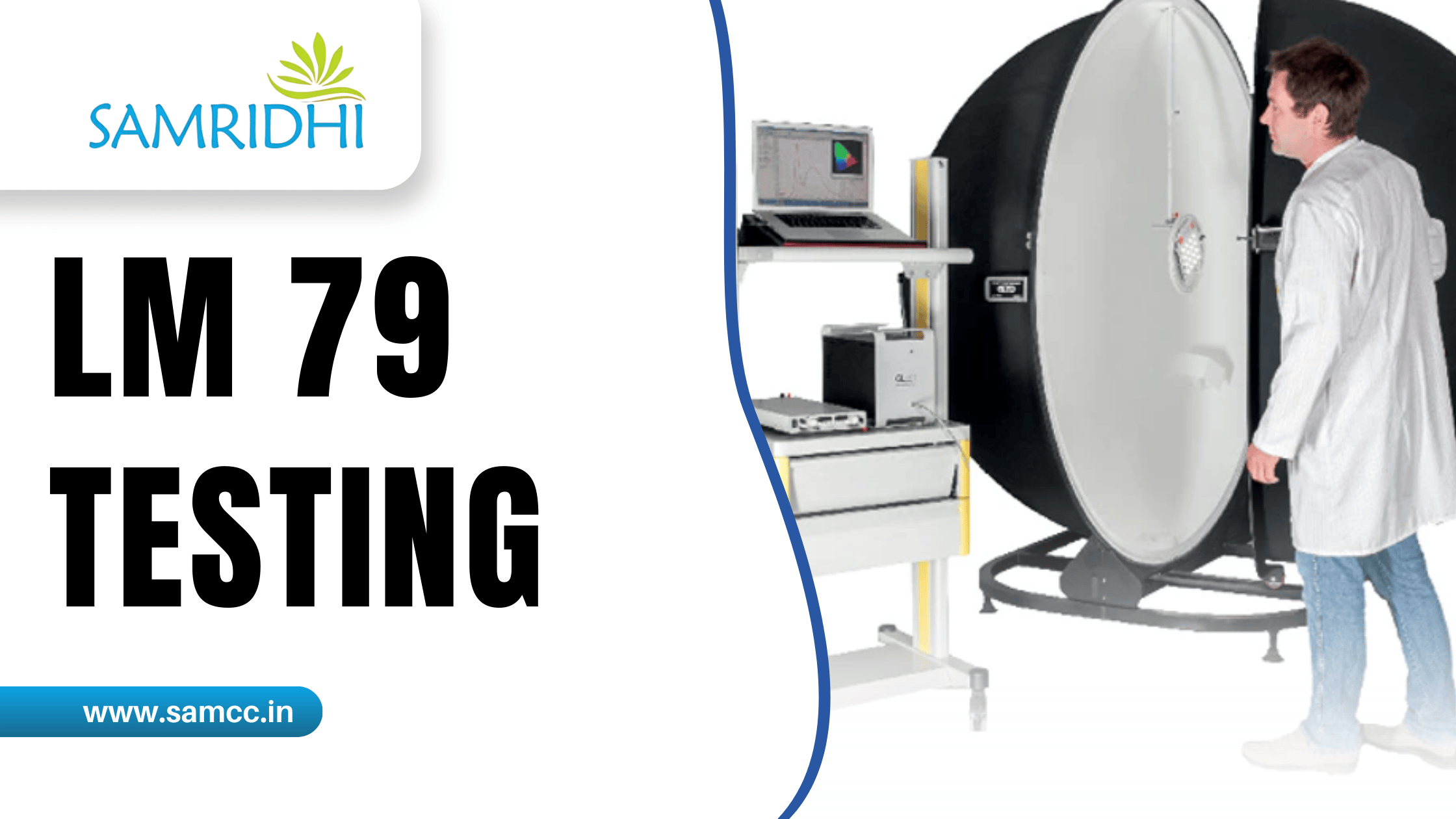
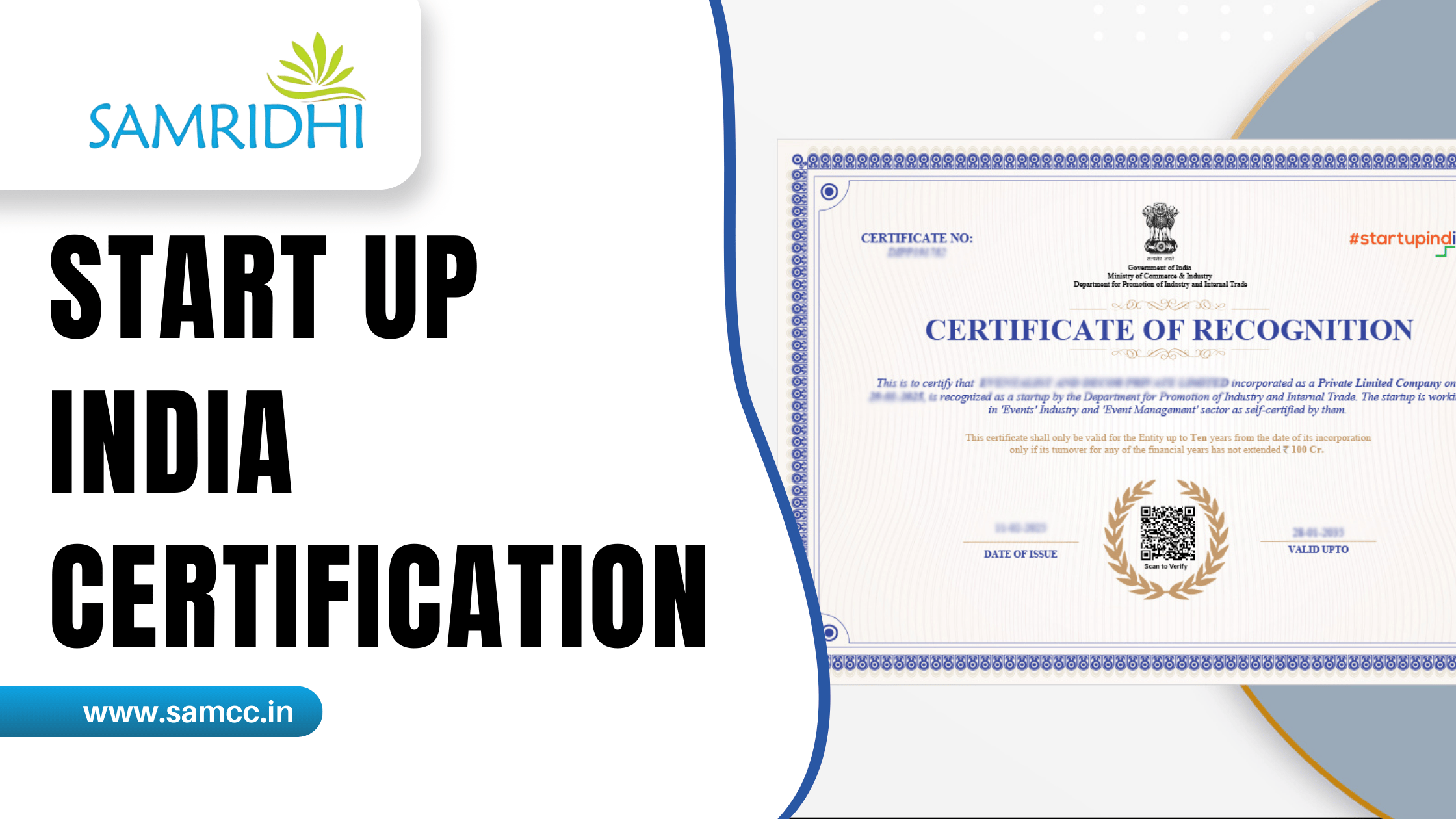
 Get Certified with Confidence – Your One-Stop Compliance Partner
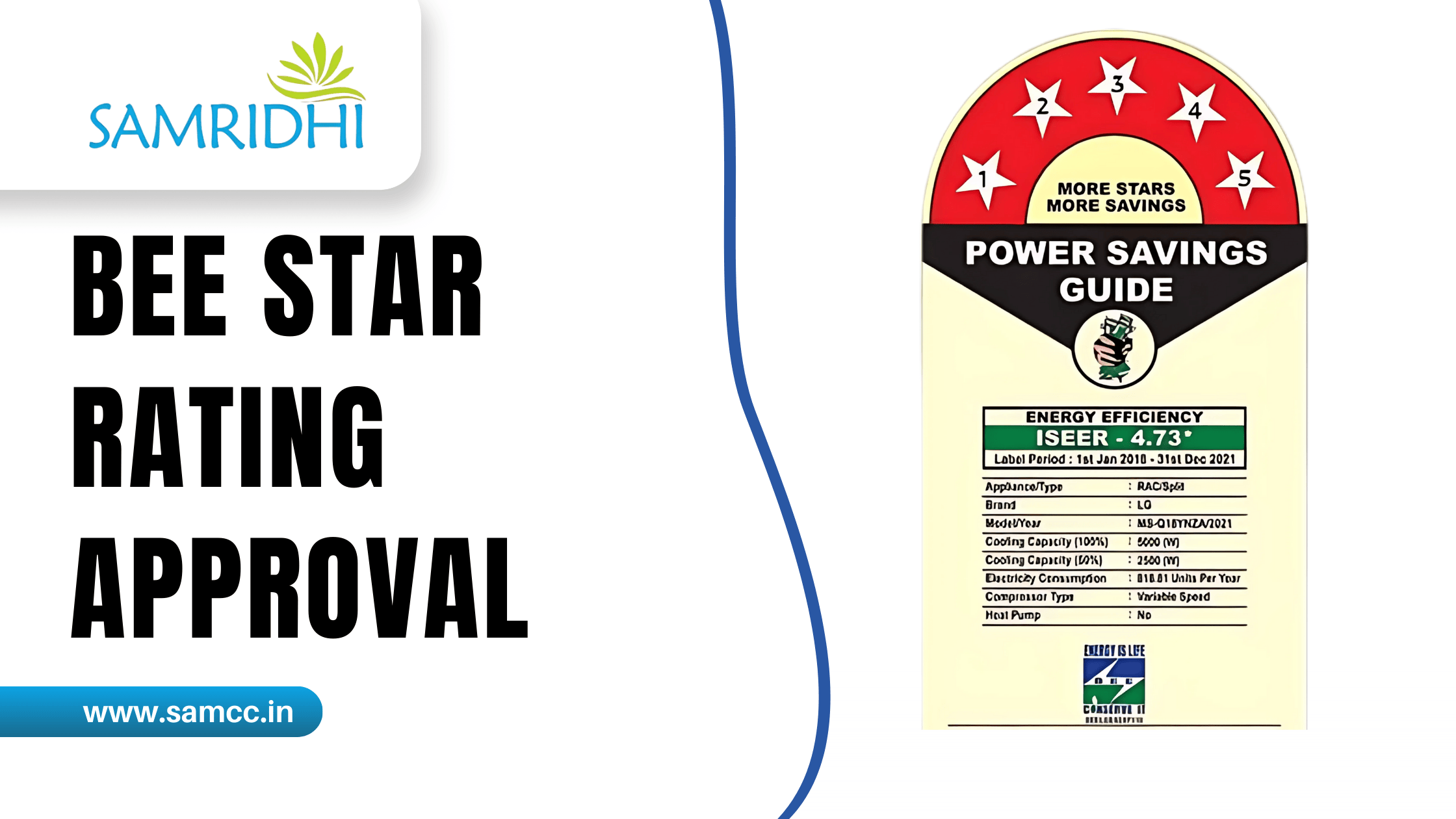
From BIS, WPC, TEC, BEE, EPR, LMPC, CDSCO, FSSAI, ISO, MSME to PESO, NABL testing, Startup India, Make in India, and Lab Setup, we handle all your regulatory approvals, certifications, and documentation needs with precision and speed. Partner with Samridhi Compliance Certification and simplify your journey to full compliance—so you can focus on growing your business.
EPR Registration for Battery in India – Why Battery Products Get Stuck Before Market Entry
Battery-powered products move fast in today’s market. Imports are scheduled, distributors line up, and launch campaigns begin early. Then an unexpected pause appears. A shipment is held. A marketplace asks for compliance proof. A distributor requests documentation that was never part of the original checklist.
That missing requirement is usually epr registration for battery.
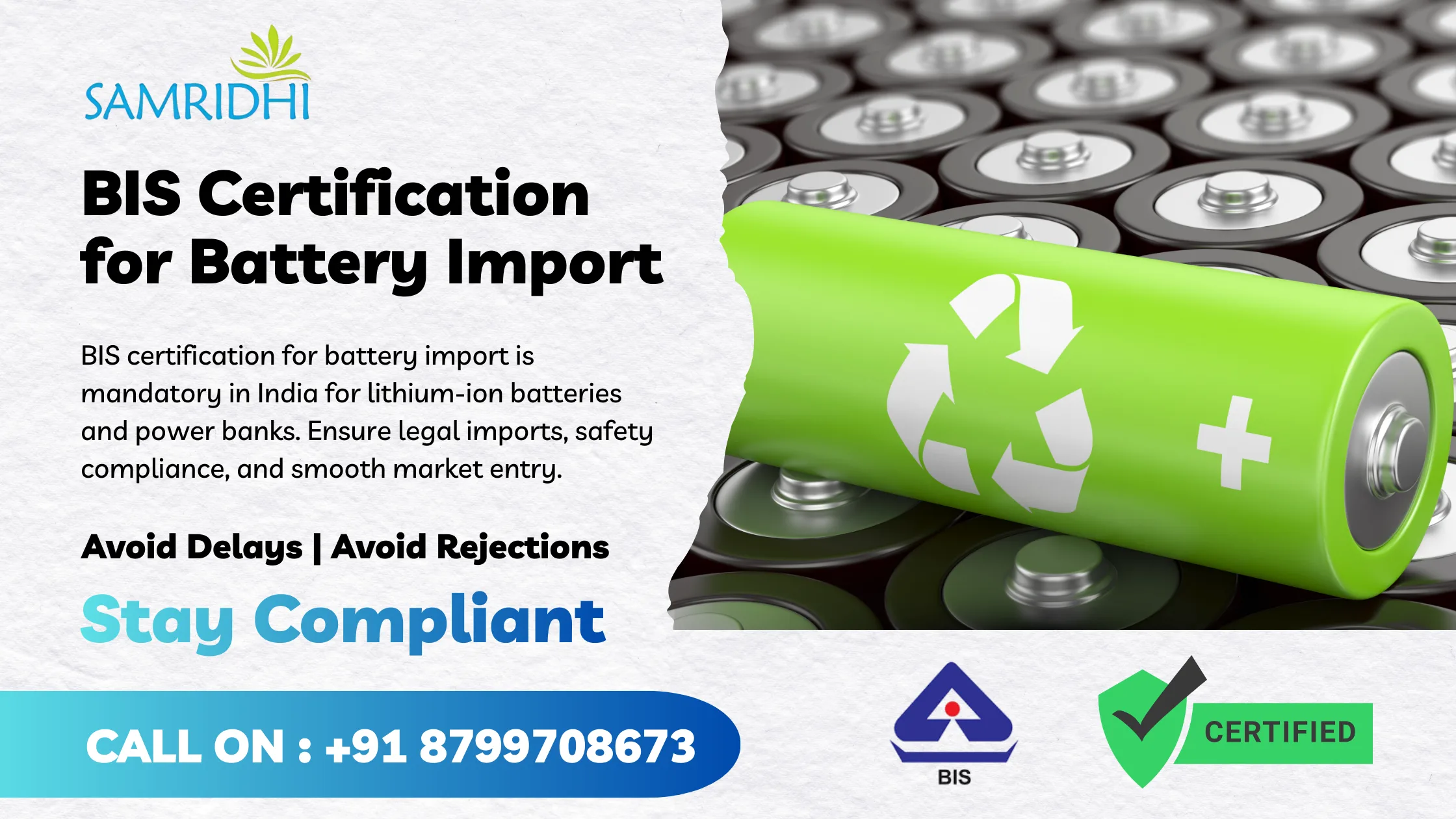
The concern is not theoretical. It is operational. Products ready to sell but unable to move. Imports waiting for documentation. Penalties becoming a real possibility under stricter environmental enforcement. Under India’s Battery Waste Management Rules, producers, importers, and brand owners must show how batteries will be collected, recycled, and managed before products enter the market.
The shift has been gradual. Enforcement has not.
Earlier, battery waste responsibility was often treated as a later-stage obligation. Today, epr registration is expected before products reach distributors or online marketplaces. Authorities and procurement teams increasingly ask for epr registration certificate details before onboarding battery products.
This change has made battery EPR unavoidable.
Many businesses realise this late. Packaging is ready. Imports are planned. Launch timelines are fixed. Starting the epr registration process at this stage introduces pressure that could have been avoided with early planning.
Understanding responsibility early changes how launches are planned. Businesses begin mapping battery types, recycling obligations, and compliance requirements alongside product development instead of after distribution planning.
At Samridhi Compliance Certification, early discussions usually begin with responsibility mapping rather than paperwork. Which battery types are involved? Who qualifies as the producer or importer? What recycling obligations apply? These answers shape realistic planning and reduce last-minute surprises.
There are no guaranteed approvals. Timelines always depend on documentation clarity and recycling commitments. Outcomes vary by battery type and business scale. But when companies treat epr registration for import as part of product readiness instead of post-launch paperwork, the risk of delays and penalties reduces significantly.
In today’s market, selling battery-powered products means managing their lifecycle.
Compliance begins before the first sale.
Why Businesses Struggle With Battery EPR Registration
Most companies don’t struggle with epr registration for battery because they ignore compliance. They struggle because battery responsibility feels simple until the actual obligations become visible. The moment recycling targets, reporting duties, and collection responsibilities are mapped, the process suddenly feels larger than expected.
That gap between expectation and reality is where delays begin.
Battery-powered products move quickly through supply chains. Imports arrive in batches, distributors expect immediate availability, and marketplace onboarding happens fast. But the epr registration process follows lifecycle responsibility, not sales speed. Many businesses discover this only when compliance becomes urgent.
Common Mistakes That Quietly Create Delays
The same patterns repeat across importers, manufacturers, and brand owners.
-
Incorrect battery category identification
Many applicants misunderstand which battery types fall under epr registration certificate requirements. Misclassification leads to rejection or rework.
-
Incomplete documentation and declarations
Battery EPR requires recycling plans and responsibility mapping. Missing details slow the epr registration process significantly.
-
Improper recycler or partner selection
Choosing partners without verified compliance creates gaps during review.
-
Timeline misjudgment
Businesses often begin epr registration for import after shipments or production are already scheduled. Timelines are indicative and depend on documentation and recycling commitments.
Each mistake feels manageable individually. Together, they create serious disruption.
The Real Impact Businesses Experience
When battery EPR begins too late, the consequences escalate quickly:
-
Shipments held due to missing epr registration numbers
-
Financial penalties and compliance notices
-
Relaunch costs caused by documentation corrections
-
Loss of distributor and marketplace trust
A familiar pattern repeats. Products are ready. Demand exists. But compliance clarity is missing.
This is the reality behind epr registration challenges. The process is not impossible—it is misunderstood.
Until businesses treat battery EPR as part of product planning instead of post-launch paperwork, the same problems continue to repeat across product launches.
Get Certified with Confidence – Your One-Stop Compliance Partner
From BIS, WPC, TEC, BEE, EPR, LMPC, CDSCO, FSSAI, ISO, MSME to PESO, NABL testing, Startup India, Make in India, and Lab Setup, we handle all your regulatory approvals, certifications, and documentation needs with precision and speed. Partner with Samridhi Compliance Certification and simplify your journey to full compliance—so you can focus on growing your business.
Industry Reality Behind Battery EPR Registration in India
Battery waste regulation in India has moved quickly from policy to enforcement. What once felt like a future responsibility is now a present requirement. Under the current epr registration for battery framework, producers and importers must demonstrate how used batteries will be collected and recycled before products reach the market.
The transition has been gradual. Enforcement has not.
Many businesses still assume compliance can be handled after launch. The current environment under epr registration rules no longer supports that approach. Authorities now expect lifecycle responsibility to be planned alongside product import and distribution.
Regulatory Expectations Are Increasing Across Compliance Areas
Battery EPR does not exist in isolation. Battery-powered products often require BIS safety certification, wireless approvals, or telecom certification depending on product category. A single product launch may involve multiple authorities.
This overlap creates complexity.
Companies often manage BIS, WPC, or TEC approvals separately from epr registration process planning, assuming timelines will align automatically. They rarely do. Misaligned approvals are a common cause of delayed launches.
How Most Consultants Still Operate
Many compliance providers continue using outdated workflows:
This approach assumes predictability. Under epr registration certificate review, assumptions often fail.
What Businesses Usually Discover Too Late
Several realities often appear only after delays begin:
-
Not all battery products fall under the same category
-
Revisions and clarifications are common during review
-
Approvals are iterative, not linear, and involve multiple queries
Timelines remain indicative and depend on documentation clarity and recycler partnerships.
The system is not unpredictable.
It is detailed.
Businesses that accept this integrate epr registration numbers planning into product development. Those who delay it usually encounter the gap when shipments are already moving.
That is the real industry context behind epr registration for import today.
Practical Solutions and Use Cases That Work for Battery EPR Registration
Delays around epr registration for battery rarely happen because the rules are impossible. They happen because compliance begins after imports are scheduled, distributors are waiting, or product launches are already announced. Battery EPR works best when responsibility planning starts alongside product design and supply planning.
There is no shortcut. There is only the right sequence.
Practical Certification Approaches That Reduce EPR Delays
The following approaches consistently reduce friction under epr registration, not by promising approvals, but by preventing avoidable mistakes.
-
Battery-first responsibility analysis
The process begins with identifying battery types and mapping obligations under the epr registration process.
-
Correct category identification
Early classification stabilises the epr registration certificate journey and prevents rework later.
-
Documentation and recycler alignment
Recycling agreements and responsibility mapping must reflect real business operations.
-
Authority coordination
Battery-powered products often require BIS, WPC, or telecom approvals alongside epr registration for import. Coordinating approvals reduces timeline conflicts.
These steps do not promise speed. They reduce reversals.
Who Each Approach Works Best For
Different businesses experience epr registration numbers requirements differently.
-
Indian manufacturers benefit from integrating EPR planning during product development.
-
Importers reduce shipment risk by confirming compliance before scheduling imports.
-
OEMs managing multiple product lines need structured responsibility mapping.
-
Startups often move fast; established brands rely on past assumptions. Both benefit from early verification.
Real-World Use Cases That Reflect Battery EPR Reality
In one case, battery type classification was initially incorrect. Reclassification corrected the path before large-scale imports began. Timelines shifted slightly, but penalties were avoided.
In another situation, a shipment was scheduled before the epr registration process was completed. Early correction aligned compliance before customs checks, preventing delays.
These outcomes were not dramatic.
They were controlled corrections.
That is how effective execution under epr registration for battery usually looks—decisions made early enough to prevent visible disruption later.
EPR Registration Process for Battery in India – How the Approval Actually Works
Uncertainty around epr registration for battery often feels heavier than the work itself. Businesses rarely fear responsibility—they fear unclear steps, repeated queries, and the possibility of shipments being delayed after production is complete.
The epr registration process is structured, but not linear. Each stage introduces decision checkpoints where progress depends on documentation clarity, recycler partnerships, and how accurately battery usage is mapped.
Battery Applicability and Responsibility Assessment
The first checkpoint confirms whether the company qualifies as a producer, importer, or brand owner under battery waste rules. This step defines the scope of responsibility for collection, recycling, and reporting required for the epr registration certificate.
Choosing the wrong category early can delay the entire process.
Battery Category Identification and Scope Definition
Once applicability is confirmed, battery types must be classified correctly. This determines recycling targets and reporting obligations under epr registration numbers guidelines.
Incorrect classification is one of the most common reasons applications require revision.
Recycler and Partner Coordination
Battery EPR requires agreements with authorised recyclers or Producer Responsibility Organizations. These partnerships must reflect real product volumes and business operations.
Progress at this stage always depends on recycler documentation and commitment alignment.
Documentation Preparation and Alignment
Documentation often determines whether the process moves smoothly or enters clarification cycles.
Typical requirements include:
-
Battery type and product details
-
Importer or manufacturer information
-
Recycling agreements and responsibility plans
-
Sales projections and waste management strategy
Inconsistencies frequently trigger queries during the epr registration process review.
Authority Submission and Review
After submission, authorities review the application for alignment with EPR obligations. Clarifications are normal and expected. Clear responses help close review cycles faster.
Approval reflects alignment across battery data, recycling commitments, and documentation—not submission speed.
There are no guaranteed timelines.
Outcomes vary by battery type and compliance readiness.
When businesses treat epr registration for import as a structured compliance project rather than a simple form submission, uncertainty reduces and product launches become more predictable.
Cost of Battery EPR Registration in India – Understanding the Real Investment
Questions about cost usually appear early when businesses explore epr registration for battery. Not because companies expect it to be expensive, but because uncertainty makes planning difficult. The reality is simple: there is no universal price. The final investment becomes clear only after battery type, market volume, and recycling responsibility are properly defined.
Every project begins differently. Every cost profile ends differently.
All figures in the battery epr registration process remain indicative and depend on product mix, import volume, and recycling commitments. Any fixed quote given before understanding these variables rarely reflects the real scope.
Indicative Cost Overview for Battery EPR Registration
| Cost Component |
Approximate Range |
| Government Charges |
As notified by authorities |
| Recycler / PRO Engagement |
Depends on battery chemistry & volume |
| Documentation & Compliance Support |
Varies by business scope |
| Overall Estimated Investment |
Case-specific |
This structure mirrors how the epr registration certificate journey typically unfolds. Government charges are defined, but the majority of variation comes from recycling responsibility and operational scale.
Why Costs Differ From One Business to Another
The first driver is battery chemistry and category. Lithium-ion, lead-acid, and other battery types carry different recycling responsibilities. Compliance commitments expand or shrink based on the battery mix introduced into the market.
The second driver is market volume projections. Higher expected sales translate into larger recycling obligations under epr registration numbers requirements. The commitment grows with the scale of distribution.
The third driver is recycler partnerships. Agreements with authorised recyclers or Producer Responsibility Organizations directly influence cost under epr registration for import obligations. The structure of these agreements varies based on responsibility targets and operational planning.
Documentation readiness also plays a role. Clear, well-prepared submissions reduce revision cycles. Revisions, updates, or scope changes after submission can increase overall expenses.
There is no honest way to present a fixed number in advance.
But understanding the cost drivers early makes budgeting realistic and prevents financial surprises once compliance becomes urgent.
Products Covered Under Battery EPR Registration in India
A common early question sounds simple: Do our products actually need epr registration for battery?
The answer depends less on the product category and more on whether a battery is introduced into the Indian market as part of that product.
Battery EPR focuses on responsibility for the full lifecycle of batteries—whether they are sold separately, imported inside equipment, or supplied as part of a finished product. Many businesses discover this requirement late, especially when batteries are integrated into devices rather than sold individually.
Battery Categories Commonly Covered Under EPR
| Battery Type |
Typical Examples |
| Portable Batteries |
AA/AAA cells, lithium-ion packs, power banks |
| Automotive Batteries |
Car batteries, EV battery packs |
| Industrial Batteries |
Backup power systems, telecom batteries |
| Batteries in Equipment |
Laptops, toys, medical devices, tools |
These categories typically require epr registration because they generate post-consumer battery waste that must be collected and recycled responsibly.
However, applicability is never automatic.
Within each group, responsibility depends on:
-
Battery chemistry and capacity
-
Whether batteries are sold separately or inside products
-
Role of the business (producer, importer, brand owner)
-
Market volume and distribution scale
This is where businesses often misjudge early decisions.
For example, a company importing electronic devices with built-in batteries may still require epr registration for import even if the batteries are not sold separately. Similarly, new product variants may require fresh evaluation even when earlier models were registered.
A critical reminder that prevents costly assumptions:
Not all variants qualify the same way. Applicability depends on technical specifications and battery configuration.
Battery EPR often overlaps with product certifications such as BIS safety approvals or telecom certifications depending on the product category. Treating approvals separately frequently leads to delays later.
Confirming product scope early protects import planning, marketplace onboarding, and product launch timelines.
Benefits and Honest Risks of Battery EPR Registration
Choosing to begin epr registration for battery early changes how product launches feel. Instead of reacting to compliance requests from marketplaces or distributors, businesses move with a clearer understanding of their responsibilities. The difference is rarely dramatic, but it becomes visible when shipments move without unexpected compliance queries.
Still, it would be unrealistic to describe the process as risk-free. Every regulatory approval carries uncertainty, and battery EPR is no exception.
Benefits Businesses Notice After Starting Early
When the epr registration process begins before imports or distribution planning, several practical advantages appear.
-
Smoother approval movement
Early preparation reduces avoidable revisions and clarification cycles during the epr registration certificate review.
-
Lower rejection and rework risk
Correct battery classification and recycler alignment prevent repeated submissions.
-
Greater compliance confidence
Having epr registration numbers ready supports marketplace onboarding and distributor partnerships.
-
Stable market access planning
Businesses can plan imports and launches without waiting for urgent compliance corrections.
These outcomes are not guarantees. They are the result of fewer preventable mistakes.
Risks and Limitations Businesses Should Understand
Battery EPR is influenced by multiple external factors. Some variables always remain outside direct control.
-
Timelines depend on recycler and authority review
Progress often depends on third-party documentation and clarification cycles.
-
Authority queries are normal
Additional questions during the epr registration review stage are part of the process.
-
Product or volume changes may require updates
Expanding product lines or revising sales projections can affect recycling commitments.
Recognising these realities early prevents unrealistic expectations.
How Experienced Planning Reduces These Risks
Professional planning does not remove uncertainty. It reduces avoidable disruption.
-
Pre-checking documentation before submission
-
Planning recycler agreements in advance
-
Coordinating battery EPR alongside other approvals when required
The goal is not speed.
It is fewer surprises during the epr registration for import journey.
How Battery EPR Registration Solves Real Compliance Concerns
Businesses searching for epr registration for battery are rarely looking for theory. They want clarity. They want to understand how the process moves from confusion to compliance without disrupting imports, production, or distributor commitments.
Battery EPR works when it becomes a structured workflow rather than a last-minute requirement. Accuracy matters more than speed because mistakes often create longer delays than careful planning.
Step-by-Step Flow of the Battery EPR Journey
The journey usually moves through a sequence of decision checkpoints. Each stage builds the foundation for the next.
-
Responsibility Identification
The business role is confirmed—producer, importer, or brand owner. This determines the scope of the epr registration process and recycling responsibility.
-
Battery Mapping and Classification
Battery chemistry, product integration, and expected sales volume are evaluated. This step shapes the epr registration certificate scope and reporting obligations.
-
Recycler and PRO Alignment
Partnerships with authorised recyclers or Producer Responsibility Organizations are established. This stage often influences the stability of epr registration numbers approval.
-
Documentation Preparation
Battery details, recycling commitments, sales projections, and organisational information are compiled and reviewed for consistency.
-
Authority Submission
The application is submitted through the CPCB portal for review under the epr registration framework.
-
Clarifications and Final Approval
Queries from authorities are addressed. Approval reflects alignment between documentation, recycling responsibility, and operational commitments.
Timelines remain indicative and depend on submission clarity and recycler agreements.
Documentation Checkpoints That Influence Progress
Several points consistently determine whether the process moves smoothly:
-
Accurate battery classification and product scope
-
Clear recycler agreements aligned with sales projections
-
Consistent data across all documents
-
Realistic recycling and collection commitments
These checkpoints reduce revision cycles.
Why Accuracy Matters More Than Speed
Rushed submissions often lead to clarification cycles, document revisions, and repeated authority interactions. Careful preparation reduces uncertainty and protects launch timelines.
Battery EPR is not about moving fast.
It is about moving without interruption.
Why Battery EPR Registration Matters for Businesses in Laxmi Nagar, Delhi
Compliance often feels global, but execution is local. Businesses operating from Delhi—especially areas like Laxmi Nagar—are deeply connected to import networks, trading hubs, and startup ecosystems. Many battery-powered products entering the Indian market pass through Delhi-based importers, distributors, and brand owners.
That local reality directly affects how epr registration for battery is approached.
Delhi’s Role in Import and Distribution Networks
Delhi functions as a major coordination hub for:
-
Importers managing shipments from international manufacturers
-
E-commerce sellers onboarding battery-powered products
-
Startups launching electronics, gadgets, and smart devices
-
Trading businesses distributing products across India
Because of this concentration, requests for epr registration certificate details often appear earlier here than in many other regions. Marketplaces, distributors, and logistics partners based in Delhi frequently ask for epr registration numbers before onboarding products.
The expectation arrives early. Sometimes earlier than businesses expect.
Common Compliance Gaps Seen Locally
Several patterns appear repeatedly among businesses in this region:
-
Import planning begins before the epr registration process starts
-
Battery responsibility is confused with product certification requirements
-
Recycling partnerships are explored only after shipment scheduling
-
Compliance is treated as a final step rather than a launch prerequisite
These gaps rarely come from negligence. They usually come from speed. Delhi’s startup and trading ecosystem moves quickly, and compliance planning sometimes struggles to keep pace.
Why Early Planning Matters More in This Region
Businesses operating from Delhi often manage multi-state distribution. Once products move into marketplaces and supply chains, compliance queries spread quickly across distributors and logistics partners.
Starting epr registration for import early reduces the risk of onboarding delays, distributor hesitation, and shipment uncertainty.
Battery EPR is not just a regulatory requirement here.
It has become a routine part of product readiness in Delhi’s import and distribution ecosystem.
Real Experiences With Battery EPR Registration
Conversations around epr registration for battery rarely start with excitement. They usually begin with urgency. A shipment is approaching, a marketplace has requested compliance proof, or a distributor suddenly asks for epr registration numbers before onboarding products.
The stories below are small moments from real compliance journeys. Nothing dramatic. Just situations where clarity arrived before problems escalated.
“Our product was ready, but onboarding stopped suddenly.”
A growing electronics seller had already scheduled imports when a marketplace requested an epr registration certificate. The team assumed product certification was enough. Battery EPR had never entered the discussion.
The first reaction was panic.
The second was planning.
Battery classification and recycler alignment were completed quickly enough to stabilise the epr registration process before product listings were delayed. The launch moved forward—slightly adjusted, but not cancelled.
The relief in that call was noticeable.
“We realised compliance too late, but avoided penalties.”
An importer preparing a large shipment discovered epr registration for import requirements only after documentation checks began. At that stage, penalties were a real concern.
The focus shifted to correcting the path rather than chasing speed. Responsibilities were mapped, recycler agreements aligned, and documentation clarified before enforcement action escalated.
The shipment moved with compliance in place.
A stressful situation became a controlled one.
Short Feedback That Reflects Real Outcomes
-
“The process finally made sense once the steps were explained.”
-
“We didn’t realise battery EPR was separate from product certification.”
-
“Delays reduced once responsibilities were mapped early.”
These experiences are not marketing claims.
They are reminders that epr registration often becomes manageable the moment it becomes clear.
Moving Forward With Battery EPR Registration in India
Battery compliance has quietly become a launch requirement. Businesses introducing batteries into the market are now expected to plan recycling responsibility before distribution begins. The journey toward epr registration for battery is structured, but it depends on accurate classification, recycler alignment, and clear documentation.
When planned early, the epr registration process becomes predictable. When delayed, it often becomes urgent.
Understanding battery categories, preparing recycler agreements, and securing the epr registration certificate helps businesses move forward with confidence. It supports distributor onboarding, marketplace approvals, and smoother import planning. Most importantly, it reduces last-minute surprises that interrupt product launches.
If your business is preparing to introduce battery-powered products, early guidance can make the process far more manageable.
You can connect with Samridhi Compliance Certification to discuss your requirements and understand the next steps.
Phone: +91 8799708673
Email: info.samcc@gmail.com
Address: F-9 & F-10, KH NO 437, Second Floor, Office No 201, Vijay Block, Laxmi Nagar Delhi-110092
Get Certified with Confidence – Your One-Stop Compliance Partner
From BIS, WPC, TEC, BEE, EPR, LMPC, CDSCO, FSSAI, ISO, MSME to PESO, NABL testing, Startup India, Make in India, and Lab Setup, we handle all your regulatory approvals, certifications, and documentation needs with precision and speed. Partner with Samridhi Compliance Certification and simplify your journey to full compliance—so you can focus on growing your business.


 Grab Your Certified Now
 +91 8799708673
 WhatsApp