BIS CRS Registration in India | Samridhi Compliance Certification
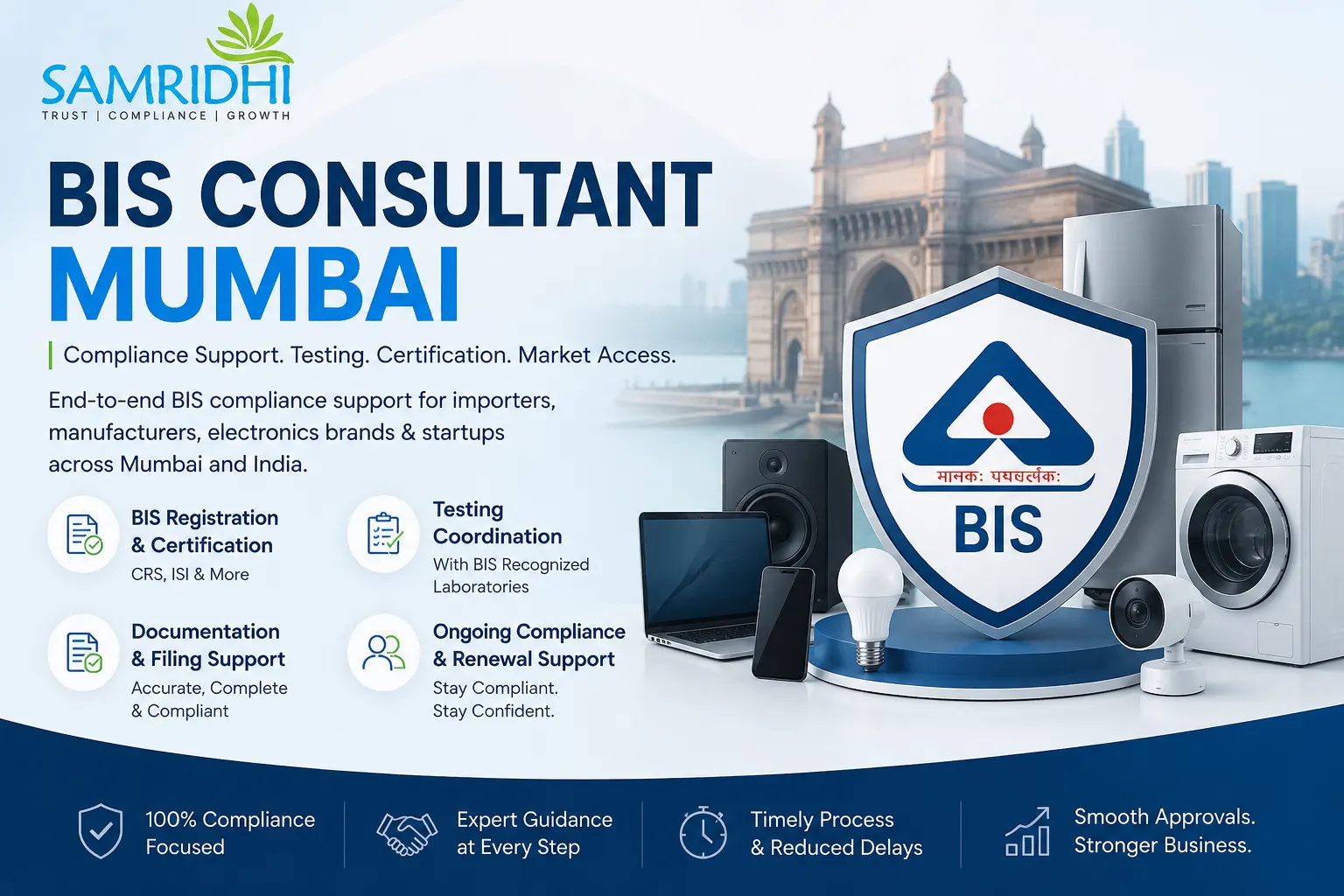
This page explains BIS CRS registration in India in practical terms—why products get delayed, how the bis compulsory registration scheme works, which products covered under BIS CRS need approval, what costs and timelines typically depend on, and how accurate execution across testing, documentation, and authority review supports stable market entry for manufacturers and importers.
 Get Certified with Confidence – Your One-Stop Compliance Partner
From BIS, WPC, TEC, BEE, EPR, LMPC, CDSCO, FSSAI, ISO, MSME to PESO, NABL testing, Startup India, Make in India, and Lab Setup, we handle all your regulatory approvals, certifications, and documentation needs with precision and speed. Partner with Samridhi Compliance Certification and simplify your journey to full compliance—so you can focus on growing your business.
BIS CRS Registration in India – Why Even Ready Products Get Stuck Before Launch
A product can be fully designed. Packaging approved. Inventory produced. Marketing lined up.
And yet, the launch never happens.
That pause—sometimes weeks, sometimes months—usually comes down to one thing: BIS CRS registration not being in place when regulators ask for it.
Over the years, this has become a common and frustrating pattern, especially for electronics, IT hardware, and smart devices. Manufacturers and importers often assume certification is a “final checkbox.” In reality, under India’s bis compulsory registration scheme, certification decides whether your product can legally enter the market at all. Customs holds. Marketplace takedowns. Notices. Penalties. None of these wait for readiness or intent.
Regulatory scrutiny has tightened. Random audits are no longer rare. Products covered under Compulsory Registration Scheme BIS are actively monitored, not just at the manufacturing stage but during imports, online sales, and even post-market surveillance. A missing or incorrect CRS registration number can quietly stop shipments at ports or trigger compliance notices long after sales have begun. That’s where fear sets in—not hypothetical fear, but operational risk.
Many businesses struggle not because they don’t want to comply, but because how to apply for BIS CRS registration is rarely as linear as it looks on paper. Test reports get rejected. Factory details raise queries. Model variants create confusion. For importers, the BIS CRS registration process for importers adds another layer—authorization letters, foreign factory coordination, and document consistency across borders. Small gaps. Big consequences.
This is where early clarity matters more than speed.
At Samridhi Compliance Certification, most conversations don’t start with forms. They start with questions businesses are hesitant to ask:
-
Is my product actually covered under products covered under BIS CRS?
-
Should variants be grouped or separated?
-
What parts of the process depend on testing labs, and what depends on documentation quality?
-
Where do timelines usually stretch, and why?
There’s no honest way to promise fixed outcomes. BIS CRS fees and timeline India can be indicative, but they also depend on product category, test readiness, and how clean the initial submission is. That uncertainty is uncomfortable—but ignoring it is riskier.
Certification today isn’t just about approval. It’s about launch confidence.
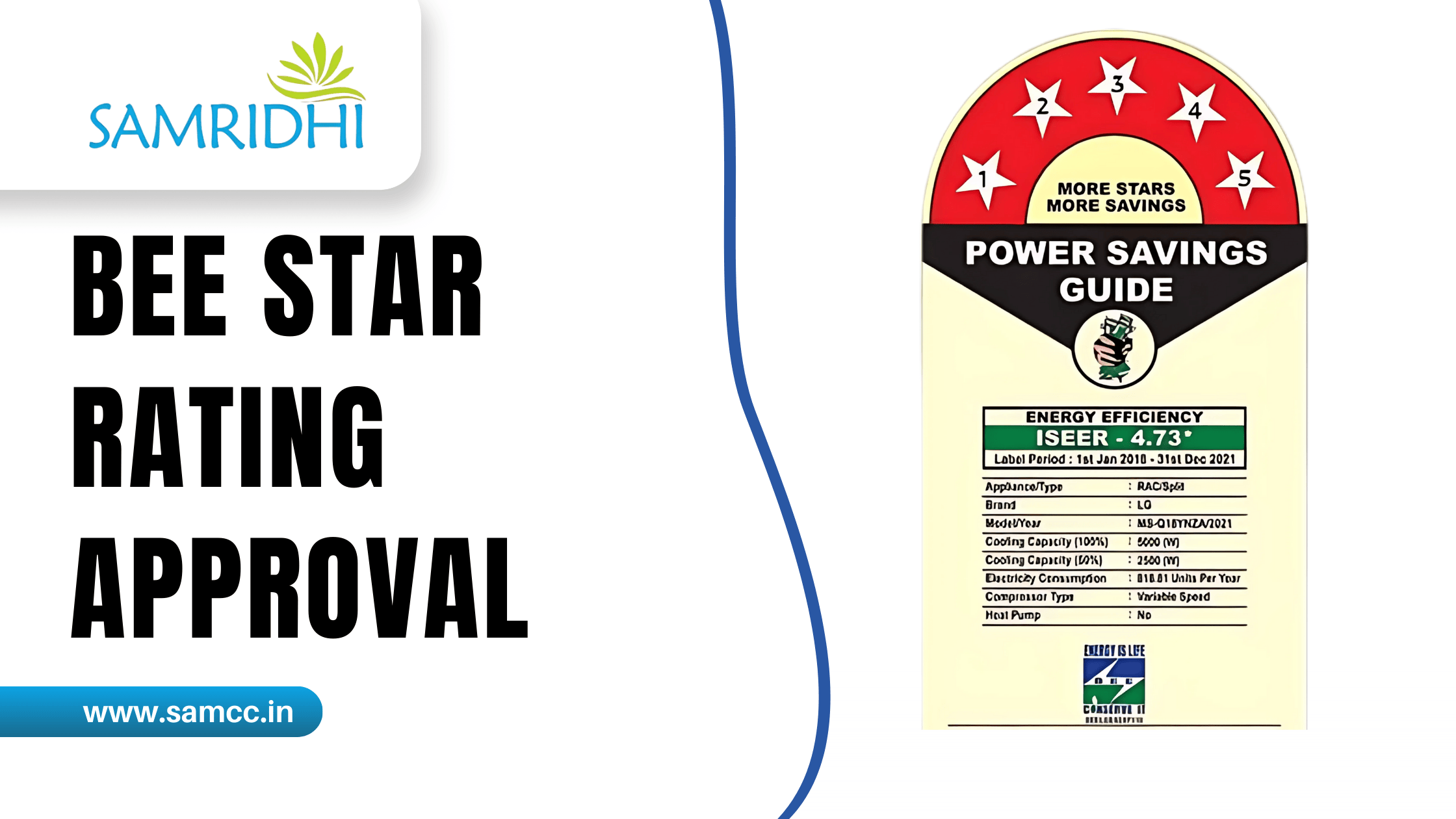
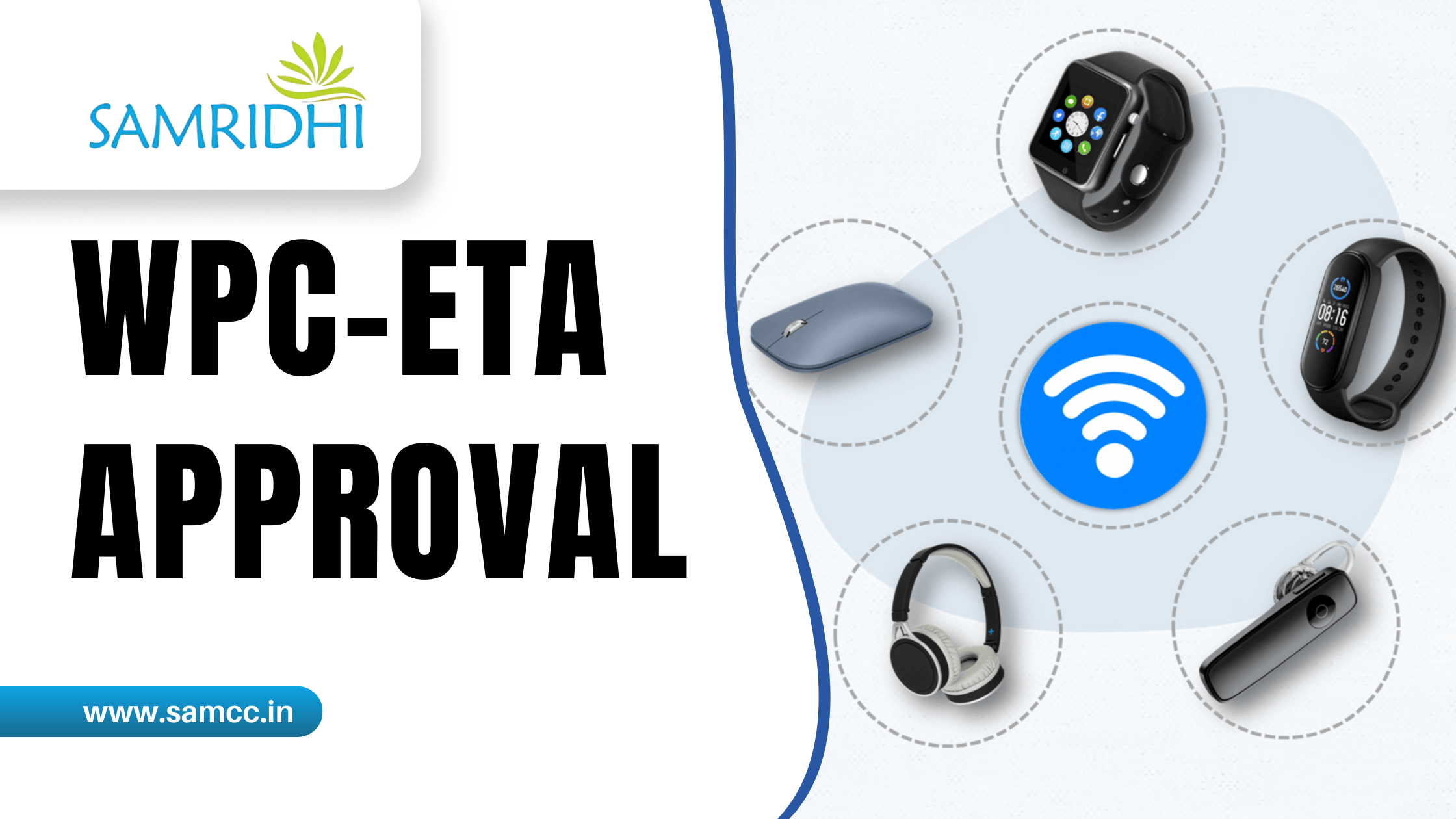
And BIS CRS rarely exists in isolation. Many products simultaneously fall under BIS CRS certification India, BEE Star Rating Certification, WPC ETA Certification, or even TEC / MTCTE Certification, depending on functionality. Treating each approval as a separate afterthought is often what causes delays in the first place.
India’s regulatory system rewards preparation, not urgency.
Understanding that early changes everything.
Understanding Why BIS CRS Registration Becomes a Bottleneck for Manufacturers and Importers
On paper, BIS CRS registration looks procedural. Identify the product. Test it. File the application. Get approval.
That perception is exactly where the trouble begins.
In practice, manufacturers and importers struggle because the bis compulsory registration scheme is not just a documentation exercise. It’s a tightly interpreted regulatory framework where small classification or testing errors quietly compound into delays that are expensive to undo. Many businesses only realize this after something goes wrong—often when a shipment is already in motion.
One of the most common issues starts right at the beginning.
Where Things Commonly Go Wrong
Most compliance failures don’t come from negligence. They come from assumptions.
-
Wrong product category selection
A product may look similar to an already certified model, but CRS coverage depends on technical parameters, not appearance. Misclassification under products covered under BIS CRS leads to rejection or rework later, sometimes after testing is complete.
-
Incomplete or misaligned test reports
Even when testing is done, reports often fail to match BIS expectations precisely. Missing clauses, outdated standards, or inconsistencies between the report and the application can halt BIS CRS certification India midway.
-
Wrong laboratory selection
Not every lab is valid for every product. Choosing a lab without checking BIS recognition for that specific category is a quiet but costly mistake. Retesting isn’t just a delay—it resets momentum.
-
Timeline misjudgment
Businesses often plan launches assuming optimistic approval windows. In reality, BIS CRS fees and timeline India are indicative and depend on product complexity, lab turnaround, and query cycles. When this isn’t factored in, everything downstream suffers.
None of these errors look dramatic in isolation. Together, they create operational damage.
The Practical Impact No One Plans For
When CRS issues surface late, the consequences ripple far beyond compliance teams:
-
Shipments held at customs under the bis compulsory registration requirement
-
Financial penalties and storage costs that were never budgeted
-
Forced relaunches due to packaging or labeling corrections
-
Lost confidence from distributors who planned inventory based on assumed approvals
Recently, an importer of smart devices had to pause distribution—not because the product failed testing, but because the BIS CRS registration process for importers required an authorization correction from the overseas factory. The delay wasn’t dramatic. Just long enough for distributors to look elsewhere.
This is the uncomfortable truth: certification problems rarely announce themselves early. They surface when time is already tight.
That’s why understanding how to apply for BIS CRS registration is less about knowing steps and more about knowing where friction hides. And why many businesses eventually realize that CRS compliance interacts closely with other approvals like WPC ETA Certification, BEE Star Rating Certification, or TEC / MTCTE Certification, depending on the product.
The process isn’t broken.
It’s just more complex than it looks.
Get Certified with Confidence – Your One-Stop Compliance Partner
From BIS, WPC, TEC, BEE, EPR, LMPC, CDSCO, FSSAI, ISO, MSME to PESO, NABL testing, Startup India, Make in India, and Lab Setup, we handle all your regulatory approvals, certifications, and documentation needs with precision and speed. Partner with Samridhi Compliance Certification and simplify your journey to full compliance—so you can focus on growing your business.
Industry Reality Behind BIS CRS Registration and Other Indian Product Certifications
Over the last few years, the regulatory environment in India has shifted quietly—but decisively. What once felt procedural is now actively enforced. BIS CRS registration today sits inside a compliance ecosystem that is far stricter, more interconnected, and far less forgiving than most manufacturers or importers expect when they begin.
Regulators are no longer reactive. They are preventive.
Under the bis compulsory registration scheme, authorities increasingly rely on data-sharing between departments. A product flagged during import scrutiny may later surface during marketplace audits. A missing update in BIS CRS certification India can trigger follow-up checks under WPC ETA Certification or TEC / MTCTE Certification, even if those approvals were previously obtained. This tightening is not theoretical—it’s operational.
And the rules don’t stay still.
Regulatory Rules Are Not Static Anymore
Standards under Compulsory Registration Scheme BIS are revised. Product scopes expand. Test parameters change. Coordination between BIS, WPC, and TEC has increased, which means assumptions made last year don’t always hold today.
Manufacturers often discover—too late—that:
-
A model once outside CRS is now included under products covered under BIS CRS
-
Test reports issued earlier no longer align with updated standards
-
Import documentation requirements under the BIS CRS registration process for importers have tightened without much public noise
This creates a moving target. One that rewards awareness, not memory.
How Most Consultants Actually Operate
This is where market reality becomes uncomfortable.
Many service providers work in silos:
-
BIS handled separately from WPC
-
WPC handled separately from TEC
-
Each approval treated as an isolated checklist
The approach is fast. It looks efficient. But it ignores how certifications interact in the real world.
Checklist-based execution rarely asks whether a product should proceed at all. It assumes eligibility. It assumes testing will pass. It assumes the first submission will be clean. Those assumptions are rarely shared with the client—and almost never challenged early.
What Clients Are Rarely Told Upfront
There are a few truths businesses usually learn only after friction appears:
-
Not every product qualifies under BIS CRS registration, even if similar products do
-
Testing failures are common, especially when specs were finalized without compliance input
-
Approvals are iterative, not linear—queries, revisions, and re-submissions are normal
Even BIS CRS fees and timeline India are indicative at best. Outcomes depend on lab performance, documentation quality, and how well variants are handled. That nuance is often softened during onboarding—and paid for later.
This is why experienced compliance teams don’t talk in guarantees. They talk in scenarios.
India’s certification landscape doesn’t punish ambition.
It punishes assumptions.
Practical Solutions That Actually Work for BIS CRS Registration and Related Certifications
There’s a point most businesses reach—usually after a delay or a rejection—where they realize the issue isn’t speed. It’s approach. BIS CRS registration doesn’t respond well to shortcuts or linear thinking. What works in the real world is quieter, slower upfront, and far more deliberate.
Before diving into methods, one reality needs to be clear: no single certification exists in isolation anymore. bis compulsory registration, WPC ETA Certification, TEC / MTCTE Certification, even BEE Star Rating Certification often overlap in ways that aren’t obvious at product design stage. Solutions that succeed acknowledge this early instead of reacting late.
Practical Certification Approaches That Reduce Risk
The most reliable outcomes usually come from a product-first mindset, not a form-first one.
-
Product-first analysis
Instead of assuming eligibility, experienced teams start by dissecting the product itself—functions, components, wireless features, power usage. This is where many discover whether the product truly falls under products covered under BIS CRS, or whether another framework applies.
-
Correct standard identification
Standards under Compulsory Registration Scheme BIS are precise. Choosing the wrong one doesn’t just delay approval; it invalidates testing. Getting this right upfront quietly saves weeks.
-
Testing and documentation alignment
Test reports and applications must tell the same story. When they don’t, BIS CRS certification India stalls. Aligning lab outputs with documentation language reduces avoidable queries.
-
Authority coordination
Products that touch multiple regulators need coordinated sequencing. Treating how to apply for BIS CRS registration as independent from WPC or TEC is where many processes fracture.
None of this guarantees outcomes. Testing can still fail. Queries can still arise. Timelines still depend on external factors. But the probability of control increases.
Who Each Approach Actually Suits
Different businesses face different risk profiles, and the same strategy doesn’t fit all.
For Indian manufacturers, early alignment between design and compliance prevents redesign costs later. For importers, especially those navigating the BIS CRS registration process for importers, authorization clarity and factory coordination matter more than speed.
OEMs often benefit from variant mapping—grouping where allowed, separating where required. Startups need realism: fewer models, cleaner documentation, slower launches. Established brands usually struggle more with legacy assumptions than capability.
The mistake is treating everyone the same.
Real-World Use Cases That Reveal the Difference
Earlier this year, a consumer electronics product sat idle—not because it failed testing, but because it was classified under the wrong CRS category. A quiet reclassification, updated testing, and aligned paperwork brought it back on track without a relaunch. Costly, but recoverable.
In another case, an importer faced a potential customs hold. The issue wasn’t approval status—it was an authorization mismatch. Resolving it before inspection saved penalties and distributor fallout. The BIS CRS fees and timeline India shifted slightly, but the launch survived.
These outcomes aren’t dramatic.
They’re realistic. And they show why compliance solutions work best when they’re built around the product, not the promise.
BIS CRS Registration Process in India – What Actually Happens at Each Stage
This part matters because most delays don’t come from rejection. They come from uncertainty. Businesses hesitate, overcorrect, or rush the wrong step because the BIS CRS registration process feels opaque from the outside. When people don’t see where decisions are made, they assume everything is linear—and that’s rarely true.
The reality is simpler, but not easier.
The bis compulsory registration scheme follows a defined flow, yet each stage has checkpoints where outcomes depend on product details, documentation quality, and how regulators interpret the submission. Understanding those checkpoints reduces panic, prevents missteps, and sets realistic expectations.
Product Applicability Assessment Comes First—Always
Before forms or labs, there’s one question that decides everything:
Does the product actually fall under products covered under BIS CRS?
This is not cosmetic classification. It’s technical. Power ratings, wireless functions, internal components, and intended use all matter. Many manufacturers skip this step or rely on assumptions based on similar products. That’s how applications fail quietly later.
This assessment is especially critical for importers navigating the BIS CRS registration process for importers, where foreign factory details and authorization layers add complexity.
Correct Standard Identification Sets the Direction
Once applicability is clear, the relevant Indian Standard must be identified under the Compulsory Registration Scheme BIS. This is not interchangeable. Selecting the wrong standard invalidates testing—even if the product “passes.”
This is where experience shows. Standards evolve. Interpretations tighten. What worked earlier may no longer align with current BIS CRS certification India expectations.
Testing and Lab Coordination Is a Control Point
Testing isn’t just about passing. It’s about alignment.
Labs must be BIS-recognized for the specific product category. Test samples must match declared configurations. Reports must reference the correct standard version. Any mismatch here leads to queries that stall momentum.
Testing outcomes also influence scope. A failed parameter doesn’t always end the process—but it often forces redesign or reclassification. This is why BIS CRS fees and timeline India remain indicative and depend on technical readiness.
Documentation Preparation Is Where Most Delays Begin
This stage looks administrative. It isn’t.
Factory details, model declarations, authorization letters, labeling formats—everything must be internally consistent. Even minor discrepancies trigger clarification cycles. For importers, coordination with overseas manufacturers often becomes the slowest variable.
This is also where overlap with WPC ETA Certification, TEC / MTCTE Certification, or BEE Star Rating Certification may surface, depending on product functionality.
Authority Submission, Review, and Clarifications
After submission, BIS reviews the application, not just for completeness but for coherence. Queries are common. They’re part of the process. Responses must be precise, not defensive.
Approval, when it comes, reflects cumulative accuracy—not speed.
There are no shortcuts here. No guaranteed outcomes. But when each step is approached as a decision point rather than a formality, uncertainty reduces—and control increases.
Cost of BIS CRS Registration in India – What Businesses Should Realistically Expect
Cost is often the first silent blocker. Not because BIS CRS registration is unaffordable, but because uncertainty around pricing creates hesitation. Businesses worry about hidden expenses, sudden re-testing, or fees escalating after the process has already begun. Clear context helps filter serious decisions from assumptions.
What matters upfront is this: there is no single fixed price. Costs are indicative, and they depend on product type, applicable standards, and how smoothly testing and documentation progress.
Indicative Cost Structure for BIS CRS Registration
| Cost Component |
Approximate Range |
| Testing Fees |
Depends on product & standard |
| Government Fees |
As per authority |
| Documentation & Processing |
Varies by scope |
| Total Estimated Cost |
Case-specific |
This structure reflects how bis compulsory registration actually works in practice. The authority fees are standardized, but everything around them shifts based on technical and operational factors.
What Influences the Overall Cost
Several variables quietly shape the final cost of BIS CRS certification India.
First, product category plays a major role. Different items listed under products covered under BIS CRS require different test parameters. A power adapter and a smart communication device may both fall under CRS, but their testing depth is not comparable.
Second, testing complexity matters more than volume. Products with wireless modules, multiple variants, or higher risk components often need broader testing. Lab selection also affects cost, as recognized labs may differ in turnaround approach and scope interpretation.
Third, re-testing is the factor most businesses underestimate. If test samples don’t align with declared specifications, or if standards are updated mid-process, re-testing becomes unavoidable. That alone can shift the BIS CRS fees and timeline India beyond initial expectations.
For importers, the BIS CRS registration process for importers may add documentation coordination costs, especially when overseas factories need revisions or clarifications. These aren’t penalties—they’re operational realities.
Costs also intersect with other approvals. Products requiring WPC ETA Certification, TEC / MTCTE Certification, or BEE Star Rating Certification may see overlapping testing or documentation efforts, which can either increase or streamline expenses depending on how well the process is coordinated.
There’s no honest way to lock pricing without first understanding the product.
Transparency doesn’t remove cost—but it removes surprise.
Products Covered Under BIS CRS Registration in India
This part answers a question users rarely ask directly—but always think about early:
“Does my product even fall under BIS CRS registration?”
It’s a high-intent checkpoint. If the answer is no, everything else becomes noise. If the answer is yes, the compliance journey becomes unavoidable under the bis compulsory registration scheme.
What often creates confusion is similarity. Two products may look identical in the market, yet only one qualifies under products covered under BIS CRS because applicability depends on internal specifications, power ratings, wireless functions, or intended use—not branding or packaging.
Below is a practical, non-exhaustive grouping to help with quick relevance checks.
Common Product Categories Under BIS CRS
| Product Group |
Examples |
| IT & Electronic Products |
Laptops, tablets, monitors, printers |
| LED Lighting Products |
LED lamps, luminaires, drivers |
| Power Adapters & Chargers |
Mobile chargers, power supplies |
| Wireless & RF Devices |
Routers, IoT devices, smart equipment |
These categories fall under Compulsory Registration Scheme BIS, but coverage is not blanket. Within each group, sub-variants may or may not qualify.
For instance, two power adapters with similar output may differ in compliance scope because of circuit design or input specifications. A wireless device may require BIS CRS certification India, but also trigger WPC ETA Certification depending on frequency usage. That overlap is where many assumptions break down.
Importers face an added layer. Under the BIS CRS registration process for importers, eligibility must align not only with product specs but also with factory authorization and declared configurations. A mismatch here doesn’t always surface during application—it often appears during customs scrutiny.
It’s also worth noting that standards evolve. Products newly notified under CRS don’t always come with loud announcements. What was outside scope earlier may now be included, which directly affects how to apply for BIS CRS registration for new launches or model refreshes.
A quiet but important reminder:
Not all variants qualify. Applicability depends on technical parameters, applicable standards, and current notifications. Assumption is the most expensive mistake at this stage.
This is why experienced teams always verify scope before discussing BIS CRS fees and timeline India. Because cost and time only make sense after eligibility is clear.
Benefits and Honest Risks of BIS CRS Registration for Manufacturers and Importers
This is where expectations usually split. On one side, businesses want speed and certainty. On the other, BIS CRS registration operates inside a regulatory system that rewards preparation more than urgency. Understanding both sides—benefits and limitations—helps decision-makers move forward without false confidence or unnecessary fear.
When handled with intent and experience, the bis compulsory registration scheme can become a stabilizing asset rather than a launch obstacle. But only if the risks are acknowledged upfront.
Benefits That Actually Matter in Practice
-
Faster approvals
Not because the process is rushed, but because fewer mistakes trigger fewer clarification cycles. Clean submissions aligned with BIS CRS certification India expectations move more predictably.
-
Reduced rejection cycles
Correct product categorization and aligned testing significantly lower the chances of rework, especially for items listed under products covered under BIS CRS.
-
Compliance confidence
Teams stop second-guessing shipments, listings, or audits once CRS alignment is clear. That confidence carries into related approvals like WPC ETA Certification or TEC / MTCTE Certification.
-
Market access stability
With valid registration in place, import holds, sudden takedowns, and distributor hesitation reduce. It doesn’t eliminate oversight—but it removes fragility.
These benefits don’t come from approval alone. They come from predictability.
Risks and Limitations That Can’t Be Ignored
No matter how well prepared a business is, some variables remain outside direct control.
-
Timeline dependency on labs
Testing schedules, retesting needs, and report revisions affect movement. This is why BIS CRS fees and timeline India are always indicative and depend on external capacity.
-
Authority clarifications
Queries from BIS are common. They’re part of the review process, not a sign of failure—but they do slow momentum if responses aren’t precise.
-
Product redesign requirements
Occasionally, testing reveals compliance gaps that require technical changes. This is rare, but when it happens, it reshapes launch plans.
Earlier this worked smoothly for some products. Recently, standards have tightened. The margin for error is smaller.
How Professionals Quietly Reduce These Risks
Experienced teams don’t eliminate risk. They reduce exposure.
-
Pre-testing checks
Early technical reviews catch issues before samples reach the lab, saving time and retesting costs.
-
Authority-specific documentation planning
Each regulator reads documents differently. Aligning language and structure with BIS expectations prevents avoidable clarifications.
-
Parallel processing where allowed
When managed carefully, steps like documentation preparation and related approvals can move alongside testing—depending on product scope.
None of this guarantees outcomes. That would be unrealistic.
But it shifts the process from reactive to controlled—and that difference is what most successful launches quietly rely on.
How BIS CRS Registration Solves the Real Compliance Problem Businesses Face
Most users don’t search for BIS CRS registration because they want theory. They search because something is blocking progress—an upcoming launch, an import stuck in planning, a distributor asking uncomfortable questions. This part connects the dots between confusion and control.
The value of the bis compulsory registration scheme isn’t speed. It’s certainty. When executed correctly, it replaces guesswork with a clear operational path.
A Practical, End-to-End Certification Flow
The certification flow works best when treated as a sequence of decisions, not a checklist.
-
Product applicability confirmation
This establishes whether the product truly falls under products covered under BIS CRS. Getting this wrong invalidates everything that follows.
-
Standard and scope finalization
Identifying the correct Indian Standard under Compulsory Registration Scheme BIS defines testing depth, documentation format, and review expectations.
-
Testing coordination with recognized labs
Testing validates technical compliance, but only when the sample, configuration, and declared specifications are aligned. Outcomes here often shape next steps.
-
Documentation preparation and cross-checking
Factory details, model declarations, labeling formats, and authorization letters must match—internally and technically. This stage quietly determines how smooth review will be.
-
Authority submission and review
BIS evaluates coherence, not just completeness. Clarifications are part of the process, not exceptions.
-
Resolution and registration grant
Approval reflects cumulative accuracy across all earlier stages.
This flow applies across BIS CRS certification India, but details depend on whether the applicant is a domestic manufacturer or navigating the BIS CRS registration process for importers.
Documentation Checkpoints That Prevent Delays
Documentation is where most projects slow down.
Critical checkpoints include:
-
Consistency between test reports and application data
-
Correct factory and authorization details, especially for overseas manufacturing
-
Accurate model and variant declarations
-
Alignment with any overlapping requirements such as WPC ETA Certification or TEC / MTCTE Certification
These checks don’t accelerate approval—but they prevent regression.
Where Authority Interaction Actually Happens
Many users expect one submission, one response. Reality is iterative.
Authority interaction occurs:
Each interaction tests precision. Vague or rushed responses extend timelines. Clear, evidence-backed replies shorten cycles.
This is why BIS CRS fees and timeline India remain indicative. Outcomes depend on how well these interactions are handled, not how quickly forms are filed.
Why Accuracy Beats Speed Every Time
Rushing early steps feels productive. It isn’t.
A fast but misaligned submission often leads to re-testing, re-documentation, or even product redesign. Slower upfront execution reduces downstream uncertainty, protects distributor confidence, and stabilizes market access.
Over the years, this pattern repeats.
Speed creates motion. Accuracy creates momentum.
That difference is what most businesses are really searching for when they ask about how to apply for BIS CRS registration—even if they don’t phrase it that way.
Why BIS CRS Registration Matters for Businesses Operating in Delhi and Laxmi Nagar
Location matters more in compliance than most businesses expect. Not because rules change city to city—but because enforcement pressure, audit frequency, and operational exposure do.
In Delhi, especially commercial zones like Laxmi Nagar, the concentration of electronics traders, importers, OEM facilitators, and early-stage brands creates a unique compliance environment. Businesses here are closer to regulators, closer to ports and airports, and far more visible under the bis compulsory registration scheme.
That visibility cuts both ways.
Why Demand Is High in This Region
Delhi functions as:
-
A coordination hub for manufacturers supplying pan-India markets
-
A key decision center for importers managing overseas factories
-
A dense startup ecosystem launching electronics, IoT, and consumer tech
Because of this, BIS CRS registration is rarely optional here. Distributors, marketplaces, and logistics partners increasingly ask for BIS CRS certification India upfront—not after issues arise. For products listed under products covered under BIS CRS, delays are quickly amplified across supply chains.
Earlier, informal launches survived. Recently, they don’t.
Common Compliance Gaps Seen Locally
Despite high awareness, certain patterns repeat across Delhi-based businesses:
-
Product sourcing finalized before confirming CRS applicability
-
Testing initiated without aligning standards under Compulsory Registration Scheme BIS
-
Importers underestimating documentation requirements in the BIS CRS registration process for importers
-
Parallel certifications like WPC ETA Certification or TEC / MTCTE Certification treated as afterthoughts
These gaps don’t always stop applications immediately. They surface during customs checks, distributor onboarding, or post-launch audits—when correction costs more.
Why Local Context Changes the Risk Profile
Delhi’s proximity to regulatory offices and major entry points increases scrutiny. Shipments routed through nearby ports and airports are reviewed more frequently. Marketplaces operating from NCR expect documentation to be audit-ready.
This also affects cost planning. BIS CRS fees and timeline India may look manageable on paper, but outcomes depend on how well documentation holds up under real-world inspection—not just approval screens.
For startups, this often becomes a trust issue. One compliance slip can stall partnerships. For established brands, it can disrupt existing channels.
The Role of Regional Interlinking in Compliance Planning
Products launched from Delhi rarely stay local. They move across states. That’s why CRS planning here often intersects with broader regulatory coverage—state-wise distribution, multi-city warehousing, and nationwide sales.
This is where structured interlinking between city- and state-level compliance requirements becomes operationally relevant, not just informational. Businesses operating from Delhi often later require alignment across other manufacturing or distribution hubs.
Location doesn’t change the law.
But it changes exposure.
And in high-visibility regions like Delhi and Laxmi Nagar, accurate how to apply for BIS CRS registration decisions early are what separate smooth launches from silent stoppages.
Real Experiences Around BIS CRS Registration That Reflect Ground Reality
Most businesses don’t talk about compliance when things go right. They talk when something almost went wrong.
That’s why real experiences around BIS CRS registration tend to be quiet. No dramatic wins. Just problems that didn’t escalate—and delays that didn’t spiral.
One manufacturer shared a familiar situation.
The product was ready. Tooling complete. Packaging printed. Distributors aligned. Then a question surfaced late: did the model actually fall under products covered under BIS CRS? Testing had already started under an assumed standard. A small reclassification, caught early enough, prevented a full restart. The launch moved—not fast—but without penalties.
Another importer faced a different kind of tension.
Documentation looked complete, but during internal review, an authorization mismatch surfaced. It wasn’t a rejection. It wasn’t even a notice. Just a risk. Clarifying it before submission avoided a customs hold later under the bis compulsory registration scheme. No one outside the team ever knew how close it came.
Short reflections like these come up often:
-
“The process became clearer once the documentation checkpoints were explained.”
-
“We stopped chasing speed and focused on accuracy—that reduced back-and-forth.”
-
“Understanding how how to apply for BIS CRS registration actually works saved us from re-testing.”
There are also moments of restraint that matter.
In one case, testing didn’t pass the first time. It wasn’t hidden. It wasn’t reframed as a success. The product needed a minor design adjustment. That pause delayed the timeline slightly—BIS CRS fees and timeline India shifted, as they often depend on technical outcomes—but it avoided a larger post-launch correction.
That’s the pattern most experienced teams recognize.
Clear scope.
Fewer surprises.
Lower exposure to penalties.
The reassurance here isn’t about perfection. It’s about realism. BIS CRS certification India doesn’t eliminate friction. It narrows it. And for businesses operating across approvals like WPC ETA Certification or TEC / MTCTE Certification, that clarity compounds.
No bragging.
Just fewer problems than expected.
And in compliance, that’s usually the outcome people value most.
Get Certified with Confidence – Your One-Stop Compliance Partner
From BIS, WPC, TEC, BEE, EPR, LMPC, CDSCO, FSSAI, ISO, MSME to PESO, NABL testing, Startup India, Make in India, and Lab Setup, we handle all your regulatory approvals, certifications, and documentation needs with precision and speed. Partner with Samridhi Compliance Certification and simplify your journey to full compliance—so you can focus on growing your business.
Frequently Asked Questions
No. BIS CRS registration applies only to products specifically notified under the bis compulsory registration scheme. Many products look similar in the market but fall outside scope due to technical parameters. Applicability always depends on functionality, power ratings, and standards notified at the time of application. Assuming coverage without verification is one of the most common compliance mistakes.
There is no fixed timeline. BIS CRS fees and timeline India are indicative and depend on product category, testing readiness, lab availability, and how many clarifications arise during review. Products with clean documentation and aligned test reports move more predictably, while re-testing or reclassification can extend the process.
No. Under the BIS CRS registration process for importers, the overseas manufacturing unit is directly involved. Authorization letters, factory details, and test samples must align with BIS requirements. Importers act as applicants, but factory cooperation is non-negotiable. Delays often occur when this coordination is underestimated early.
Testing failure does not automatically mean rejection. In many cases, it highlights a specific technical gap. The next step depends on whether the issue can be resolved through minor design adjustments or requires reclassification. Re-testing may increase cost and time, but it is often preferable to post-launch penalties or recalls.
No. BIS CRS certification India addresses product safety and conformity, not wireless or telecom compliance. Products with RF or communication features may also require WPC ETA Certification or TEC / MTCTE Certification. These approvals interact operationally, but each has its own authority, scope, and review process.



 Grab Your Certified Now
 +91 8799708673
 WhatsApp